 中文
中文
 Español
 العربية
 Francés
 Português
 Deutsch
 Melayu
 Nederlands
 Русский

Used Machinery Export and Remanufacturing: Mining the New Blue Ocean of Construction Machinery Worth Hundreds of Billions
According to incomplete statistics, China currently has over 9 million units of construction machinery in service, with about 700,000 units entering the second-hand circulation channel annually. However, the inefficient flow and disposal of used equipment have led to an expanding "reservoir" in the domestic market, making exports a new outlet for used machinery. According to Huatai Securities' estimates, used excavator exports reached 13,000 and 16,000 units in April and May, respectively, with year-on-year growth of 21% and 52%. Against the backdrop of slowing domestic sales of new excavators in May, the acceleration in used machinery exports may have laid a solid foundation for the recovery of domestic sales in June.
I. The Boom in Used Machinery Exports
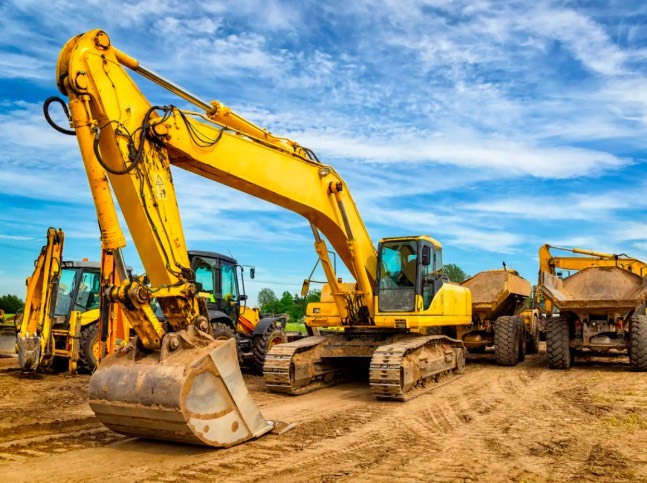
At the construction site of the Mombasa-Nairobi Standard Gauge Railway in Kenya, 10 refurbished Chinese used excavators are operating at a high intensity of 18 hours per day, contributing to the extension of this "East African Economic Artery." The procurement cost of these machines is only 35% of new ones, yet they have created engineering value exceeding $100 million.
In recent years, thanks to the increase in equipment inventory, the export of used construction machinery has gradually become an industry trend. Taking excavators as an example, China's used excavator exports have grown rapidly since 2021, reaching 120,000 units in 2024—surpassing both domestic demand (100,500 units) and exports (100,600 units) of new machines for the first time. This trend continues, with used excavator exports in May 2025 increasing by 52% year-on-year.
Used machinery exports not only alleviate the pressure of excessive domestic equipment inventory but also open up a new blue ocean for the globalization of Chinese construction machinery brands. Behind this lies a global wave of the "circular economy." According to statistics, the global used construction machinery market was valued at approximately
95.4 𝑏𝑖𝑙𝑙𝑖𝑜𝑛𝑖𝑛 2023 𝑎𝑛𝑑 𝑖𝑠 𝑒𝑥𝑝𝑒𝑐𝑡𝑒𝑑 𝑡𝑜 𝑟𝑒𝑎𝑐ℎ 122 billion by 2030.
"China is one of the world's largest construction machinery markets, with over 9 million units of used construction machinery in service, and the market size continues to expand, expected to reach 150 billion yuan by 2025," said Shan Zenghai, a National People's Congress representative.
The boom in used machinery exports is driven by a combination of internal and external factors. On one hand, the vast domestic equipment inventory provides ample supply for the second-hand market. At the same time, equipment renewal cycles, coupled with environmental policies such as the National IV emission standards upgrade, the development of new energy equipment, and large-scale equipment renewal policies, are driving a structural replacement wave in the construction machinery industry. This has led to a large number of high-performance used construction machinery awaiting circulation, accelerating the export of used machinery.
On the other hand, overseas markets have a strong demand for cost-effective used equipment, and Chinese used machinery offers significant price advantages. Currently, regions like Southeast Asia and the Middle East are in an accelerated industrialization phase with large infrastructure gaps, creating strong demand for cost-effective small and medium-sized equipment. Africa's growing mineral development has opened markets for durable mining trucks and bulldozers in countries like the Democratic Republic of the Congo and Côte d'Ivoire. Projects such as copper mines in Peru and lithium mines in Brazil in South America have spurred demand for large mining machinery.
Moreover, compared to mature markets like Europe, the U.S., and Japan, Chinese used machinery holds a clear price advantage. For example, a used all-terrain crane with 80% of the performance of a new one may cost only 30% of the price of a new machine and is well-suited to the diverse construction scenarios in developing countries. With this "high cost-performance + flexible service" model, China is gradually replacing countries like Japan and South Korea as the largest exporter of used construction machinery to emerging markets in Southeast Asia, South America, and Africa.
II. The Remanufacturing Industry Enters a Fast Lane of Development
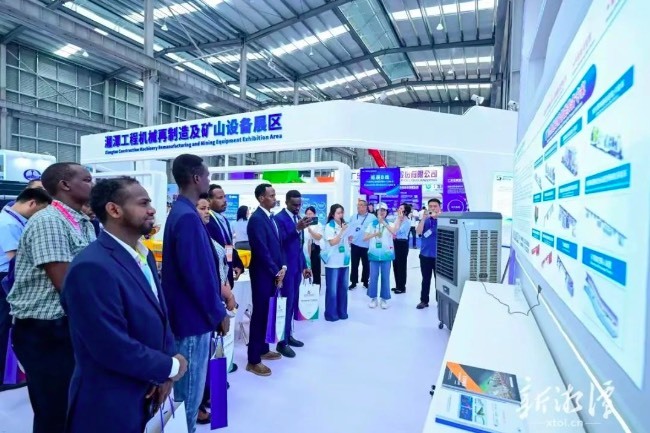
Currently, China's construction machinery remanufacturing industry is still in its infancy. Remanufacturing, through repair technologies and reasonable parts matching, not only saves production line investments, resources, and raw material consumption but also significantly extends product life cycles. Industry experts explain that the cost of remanufactured construction machinery is only 50% of new products, while also saving 60% in energy, 70% in materials, and reducing pollutant emissions by over 80%.
Remanufacturing is not a new concept. Engineering giants like Caterpillar began equipment remanufacturing as early as the 1970s. After over 50 years of development, they have established a comprehensive global system for used parts recycling and remanufactured product sales, contributing substantial profits to their businesses.
In China, the potential of construction machinery remanufacturing is gradually being recognized and anticipated by the industry. On one hand, relevant policies are continuously being introduced. From the 2010 "Opinions on Promoting the Development of the Remanufacturing Industry" by the National Development and Reform Commission, which identified remanufacturing as an advanced form of the "reuse" principle in the circular economy, to the 2024 "Action Plan for Promoting Large-Scale Equipment Renewal and Consumer Goods Replacement," which emphasized the remanufacturing of traditional equipment like auto parts, construction machinery, and machine tools, these policies provide strong support for the development of the remanufacturing industry.
On the other hand, the domestic demand for remanufactured construction machinery and successful practices in exporting remanufactured products demonstrate the vast development potential of construction machinery remanufacturing both domestically and internationally.
III. Bottlenecks and Breakthroughs in the Blue Ocean Worth Hundreds of Billions
Despite the promising market prospects, the used machinery and remanufacturing sectors face multiple challenges: the lack of unified domestic evaluation standards and certification systems leads to chaotic pricing and low transaction transparency; incomplete export tax rebate policies increase VAT costs, driving up equipment prices and reducing competitiveness; the absence of overseas after-sales service networks and high cross-border logistics costs also constrain industry development.
Breaking through these bottlenecks requires joint efforts from the government, industry associations, enterprises, and other stakeholders. In 2024, Hunan and Hainan provinces jointly released the "General Technical Requirements for the Repair and Remanufacturing of Used Construction Machinery for Export," filling the gap in local standards for the repair and remanufacturing of used construction machinery for export.
During the 2025 National People's Congress sessions, NPC representative Shan Zenghai proposed suggestions such as "promoting the establishment of regional used construction machinery trading centers in industrial clusters," "accelerating the improvement of policies and regulations for used construction machinery," and "enhancing the standard system for used construction machinery," which will contribute to the development of industry standards.
Additionally, in 2025, the state included used equipment in the scope of green finance support, with replacement subsidies reaching up to 15% of equipment valuation. Provinces like Shandong and Jiangsu have implemented "equipment ID" traceability systems, leading to a 73% year-on-year surge in transactions through formal channels.
All signs indicate that this blue ocean market is being seen and valued by all sectors of society. With policy improvements and technological upgrades, used machinery exports and remanufacturing will continue to unleash their potential, poised to capture a larger share of the global circular economy wave and become a new growth driver for China's construction machinery industry.


